Journal

Process notes, exhibition updates, and material experiments from the studio.

Summer Group Show Recap

Summer Group Show Recap

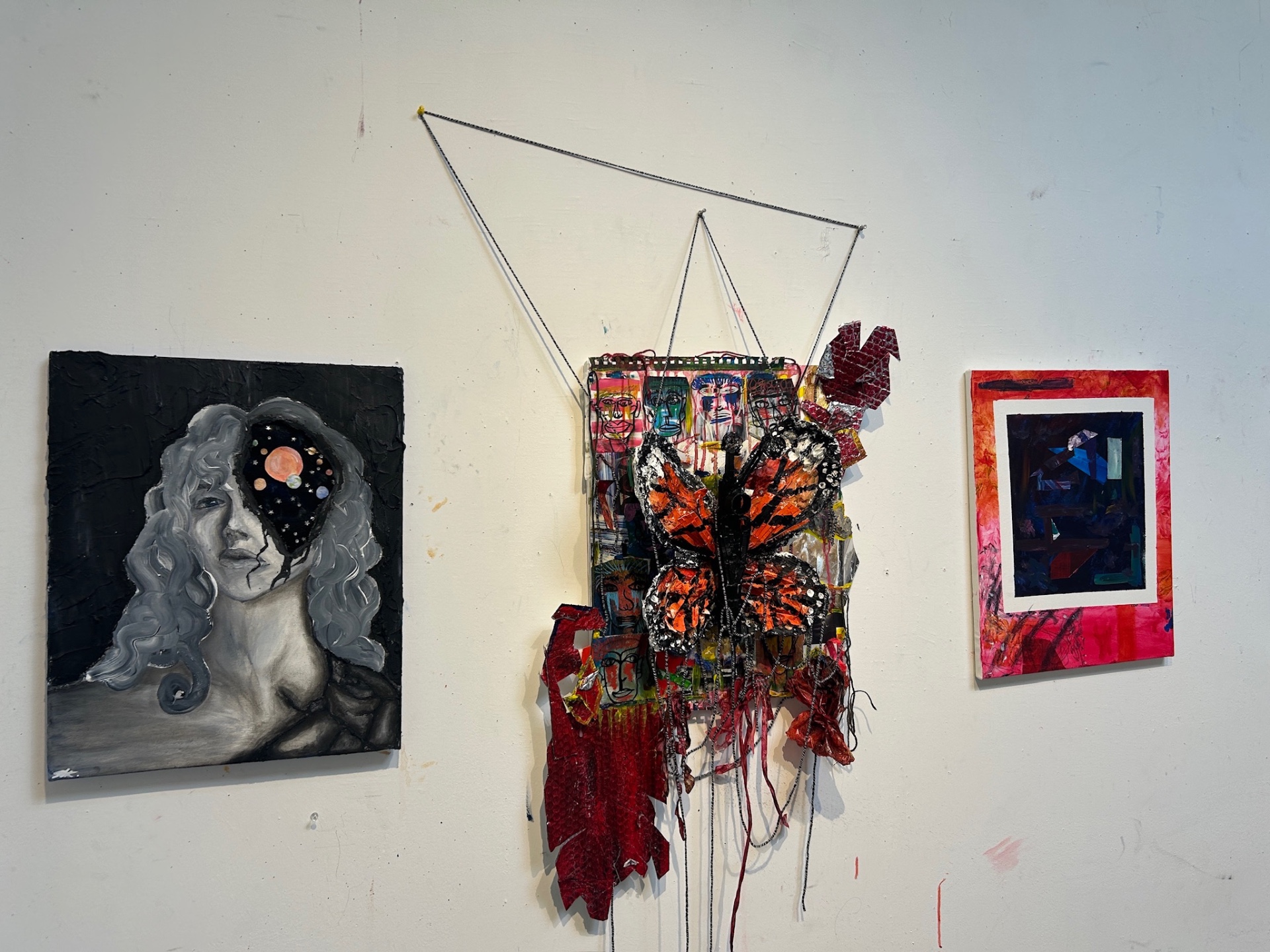
Notes from installing my work in this summer's group show — and what I learned seeing it on a wall with other artists.

This summer I had work in a group show, and installing it taught me more than making it did. Seeing my pieces on a gallery wall — hung at a height someone else chose, lit by lights I didn't control, sitting next to work by artists I'd never met — changed how I understand them. Pieces that felt finished in my room suddenly looked like they were still talking to each other. A few things I'm taking back to the studio: - Scale reads completely differently on a clean white wall than it does surrounded by clutter. - People spend longer with a piece when there's a small, strange detail to find — the mirrored paper did that work. - The best conversations I had all weekend were with the other artists in the show. Seeing how they solved problems I'm still stuck on was the real prize. More shows soon, I hope.
The Process of Layering

The Process of Layering

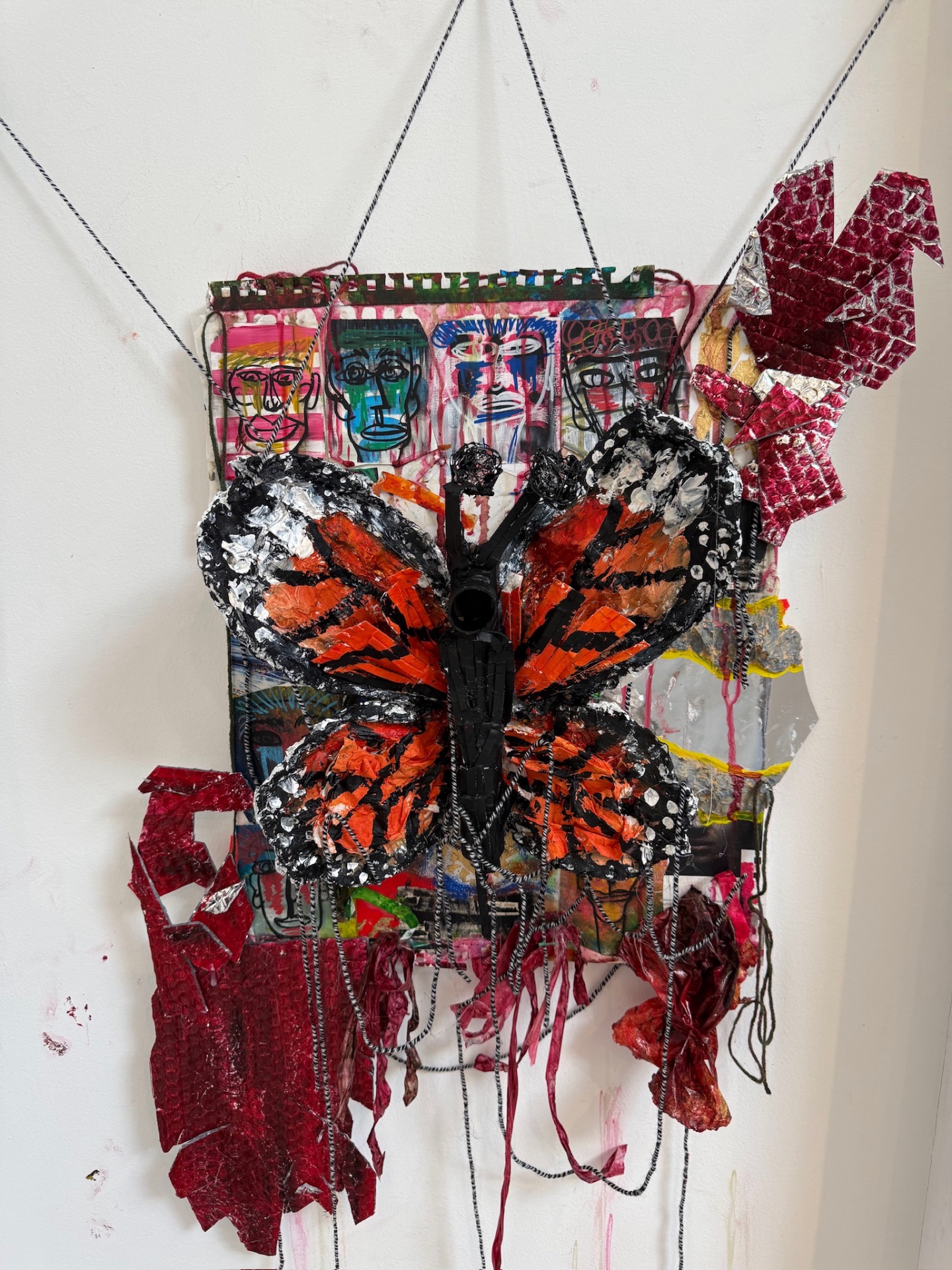
Why I never start with a blank canvas, and how destruction becomes part of the image.

I used to be afraid of ruining a piece. Now I count on it. Every work starts with something already there: a newspaper clipping, a failed sketch, a color I mixed by accident. The first layer is rarely pretty. It's information — texture, tone, a suggestion of where the piece might want to go. The second layer argues with the first. The third layer tries to make peace. By the fourth or fifth, the image starts to tell me what it is instead of the other way around. That's the part I love most: the moment the work takes over.
Materials I'm Loving Right Now

Materials I'm Loving Right Now

Oil pastel, wax resist, and the cheap markers that bleed in the best way.

A quick list of what's on my desk this month: - Oil pastel over acrylic: the resistance creates a chalky, luminous surface. - Wax resist under ink: unpredictable, which is the whole point. - Dollar-store markers: they bleed through thin paper and make lines I could never plan. - Found paper from old magazines: the typography becomes texture.